AI Voice-Over in 2026: Trends, Voices, and the Law on Voice Rights
In just a couple of years, AI voice-over has gone from a toy to a working tool. In 2026, speech is synthesised so well that it is increasingly hard to tell from a live voice, voices are becoming individual, and a legal framework is forming around the technology. Let's look at the key trends and, most importantly, what you need to know about voice protection.
Trend 1. Naturalness instead of a robotic reader
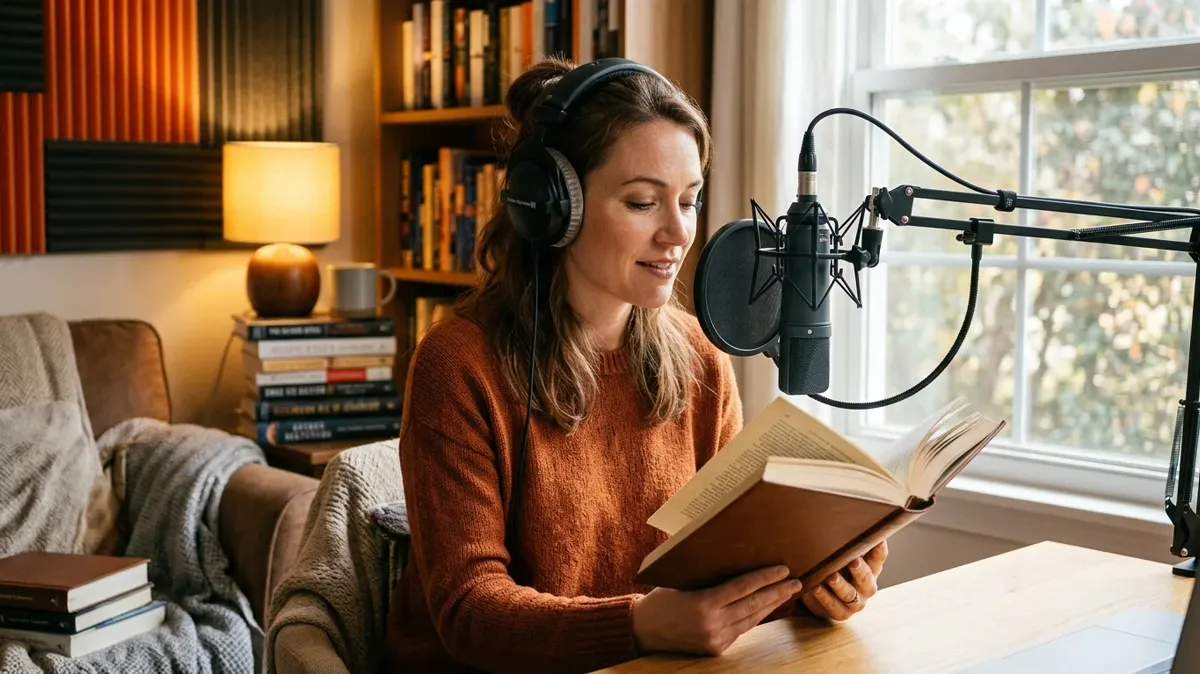
Modern speech synthesis places stress, pauses, and intonation according to the meaning of a sentence rather than mechanically. As a result, an AI voice holds attention even across a long text — an audiobook, a lecture, a podcast. In most formats, the threshold beyond which a listener stops noticing the "robot" has already been crossed.
Trend 2. Your own voice as the new normal
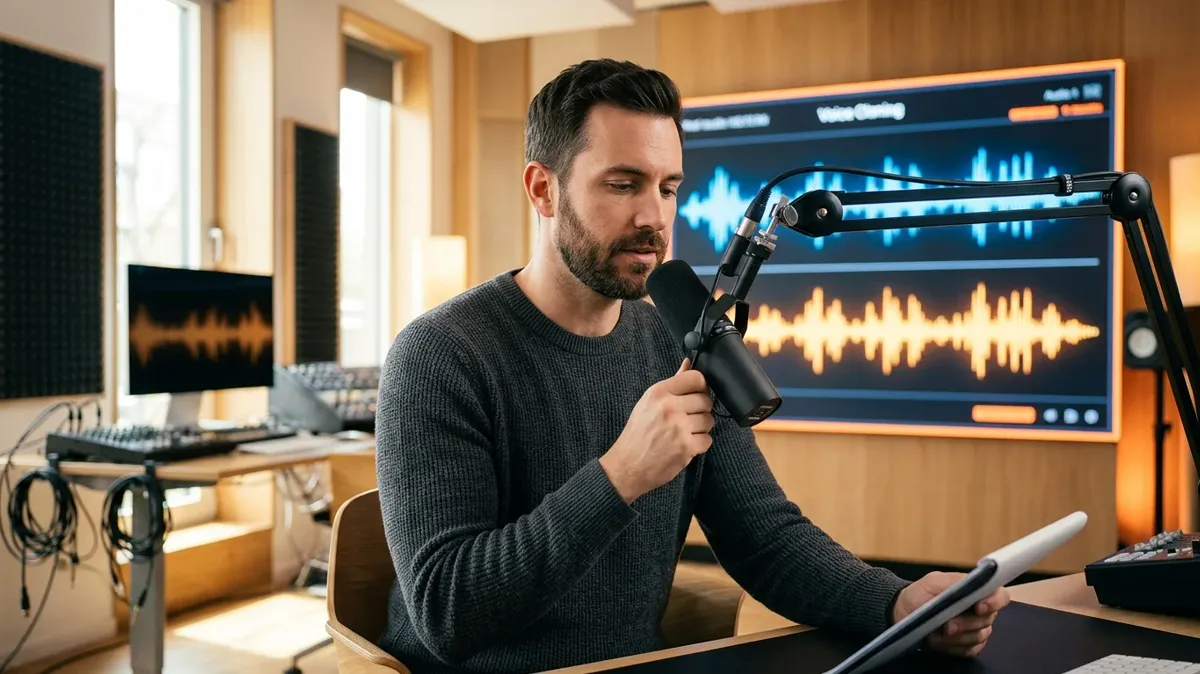
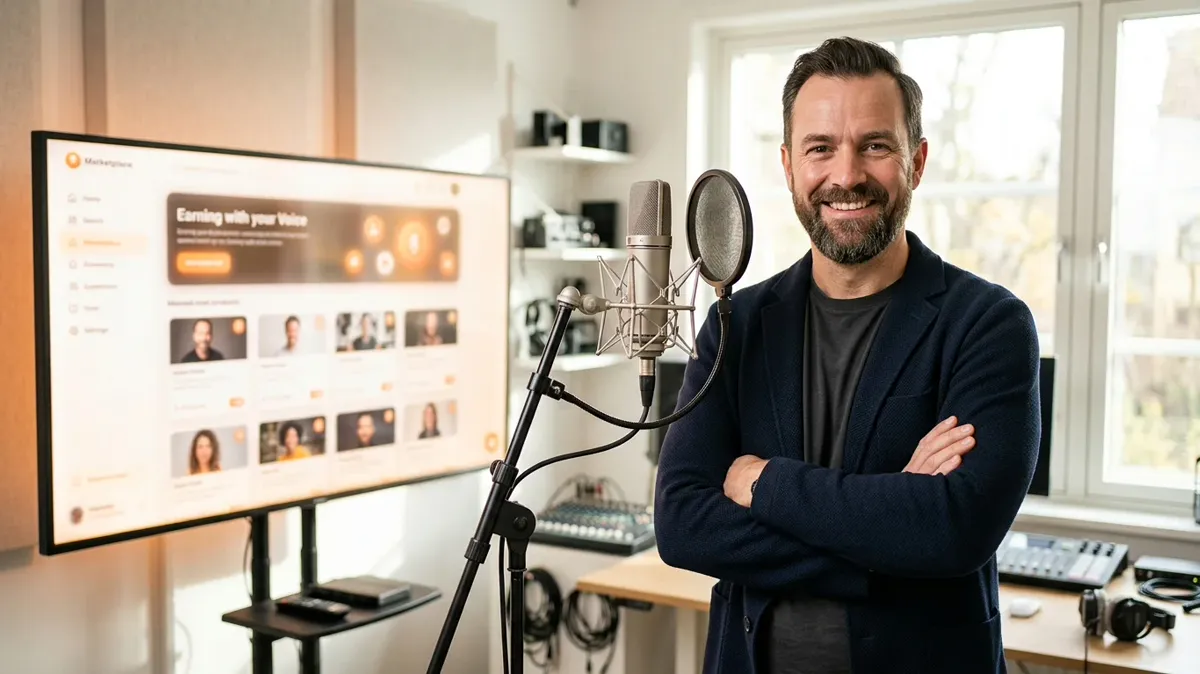
More and more creators make a digital copy of their own voice and voice content without re-recording. A voice becomes part of a personal brand: one timbre runs through videos, newsletters, and courses. Alongside them, voice marketplaces are growing, where a distinctive timbre can be offered to other creators — with rights and moderation.
Trend 3. Localisation in one click
A single source text turns into audio versions for different markets. HancVoice supports voice-over in 10 languages — from English and German to Chinese, Japanese, and Korean — and content scales without a separate studio for each language.
Trend 4. The voice under legal protection — and the law catching up with the technology
The more accurate the synthesis, the sharper the question: may you recreate someone else's voice? In most jurisdictions a person's voice is treated as personal data — in the EU it falls under the GDPR — and, more broadly, it is protected by personality and likeness rights, by analogy with the protection of a person's image. Regulators are moving in the same direction: the EU AI Act introduces transparency obligations for AI-generated media, so synthetic voices increasingly require both disclosure and a lawful basis to use.
What the law says about voice protection
The underlying principle is simple: publishing and using a person's voice, including a voice recreated with speech-synthesis technology, is generally permitted only with that person's consent. There are exceptions — for example, recordings in the public interest — but the baseline is exactly that: you cannot use someone else's voice without consent.
You may only create an AI copy of your own voice or a voice you have permission to use. This is a requirement of both the platform and the law.
What this means in practice
- Before creating a voice, confirm your rights and provide consent to the processing of voice data — without it the platform will not build the model.
- Do not upload the voices of public figures or colleagues "for fun" — that is a direct legal risk.
- For business, record a narrator's consent in writing, especially if the voice will become part of a brand.
Conclusion
In 2026, the winner is not the one who simply uses AI voice-over, but the one who does it deliberately: a natural voice, an own timbre, localisation — plus care with rights and consent. The technology has matured; so too is the way we handle someone else's voice.
Try it yourself — a free starter character pack when you sign up.