Your Own AI Voice: How to Create a Digital Voice Copy and Where to Use It
How to create a digital copy of your voice with AI, save different styles, and put it to work — from a blog to a brand. The steps, plus consent.
GuidesGuides sur la voix off par IA, études de cas et notes de l’équipe HancVoice.

Step by step: how to create an AI voice-over for video and prepare the audio for YouTube, social media, and podcast platforms.
Lire l’article →
How to create a digital copy of your voice with AI, save different styles, and put it to work — from a blog to a brand. The steps, plus consent.
Guides
How to voice an audiobook or podcast with an AI voice and sound professional without a studio: choosing a timbre, pacing, pauses, cleaning up the sound, and export.
Guides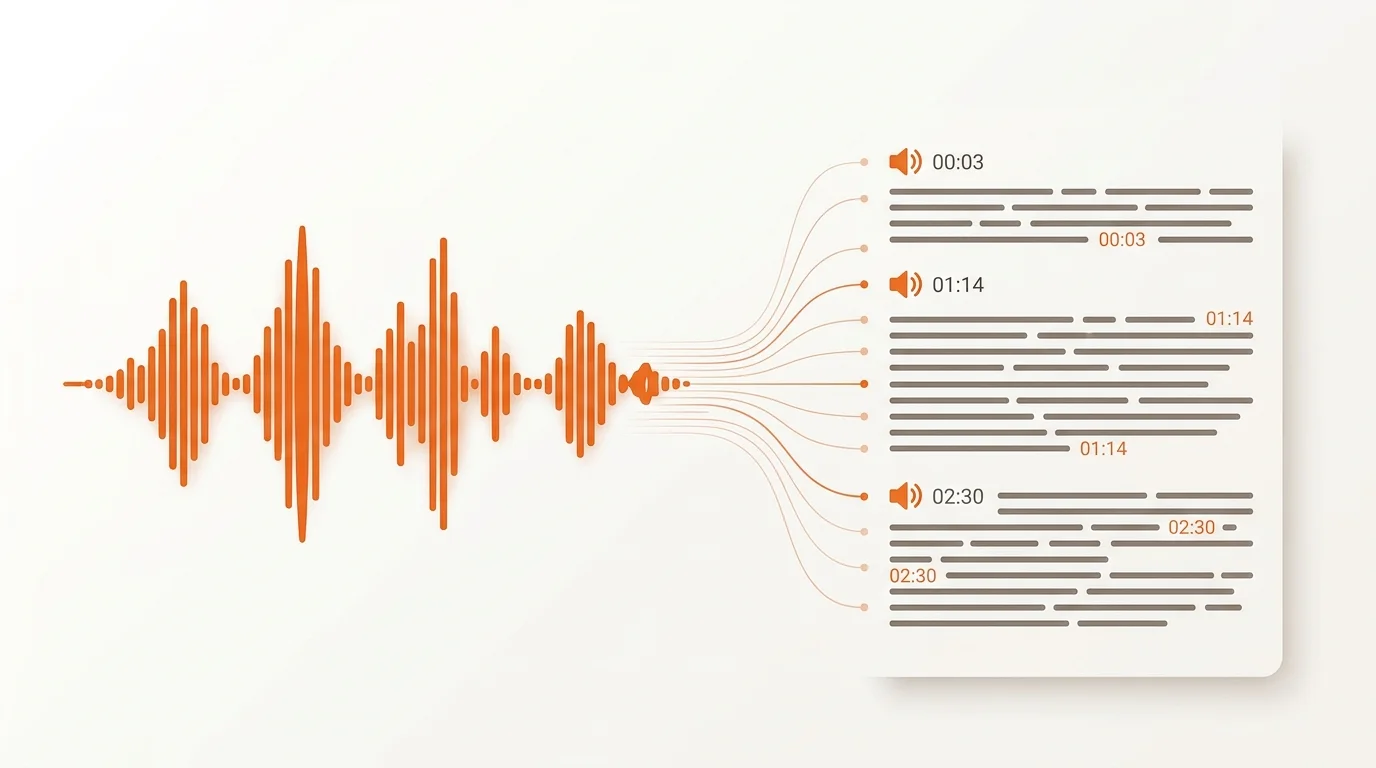
How to transcribe audio and video to text with AI: meetings, interviews, subtitles. Speaker separation, time codes, and export in minutes.
Guides
AI voice-over trends in 2026: natural voices, localisation, marketplaces — plus how the law treats your voice as personal data, why consent matters, and where regulation is heading.
Analysis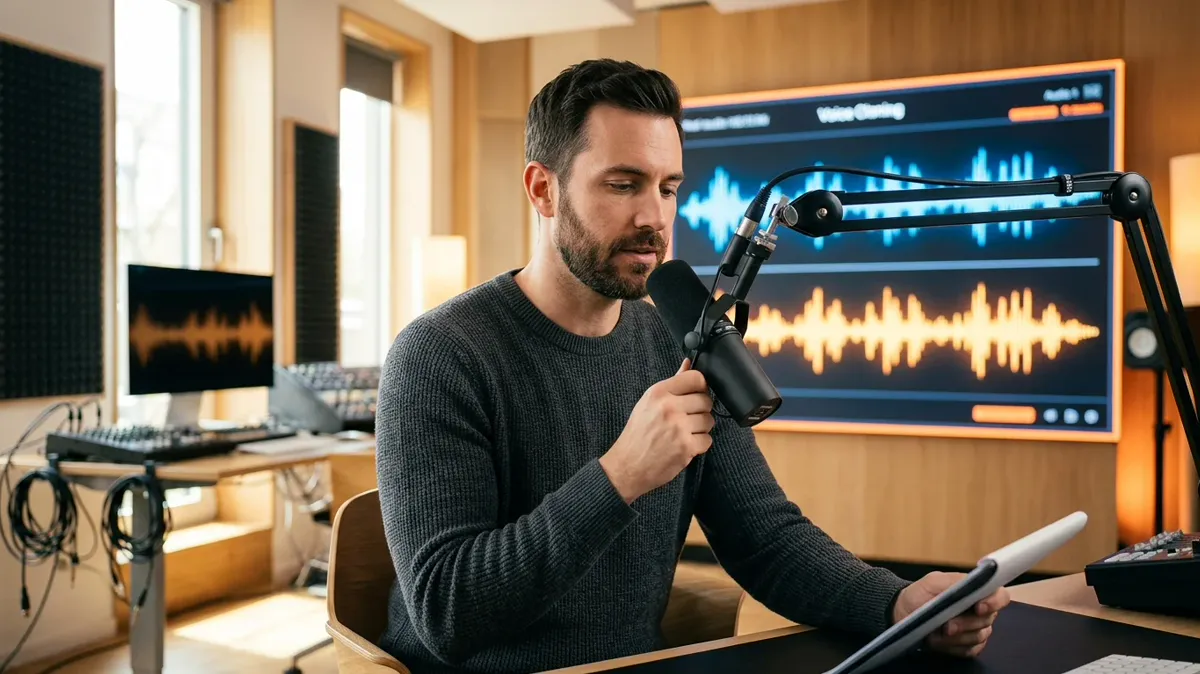
Record a short sample, create a private custom voice, and save different styles for ads, podcasts, and audiobooks.
Guides
Save a custom voice or a specific style, sort out the rights, and prepare a demo and a listing for review.
Case studies
A warm narrator, a professional non-fiction read, or a lively children's voice — matching the timbre to the genre.
Guides
Inference architecture, chunked streaming, and caching — what powers a fast voice-over start under the hood.
Technology
Pace, pauses, and stress: what most often ruins a voice-over and how to fix it.
Guides
How to create audio versions for different markets from a single source text.
Product
Emotion, pace, timbre, pauses, and stress — via request parameters and in the editor.
For developers
An API integration case: articles become a podcast with no work from the editorial team.
Case studies
Which timbre sells best in a short ad — a blind test on a real audience.
Case studies
How the streaming endpoint is built and what to check before production load.
Technology
7 things worth checking before you release the audio.
Guides
Where AI voice-over already wins, where a human narrator is still irreplaceable, and how to choose by the task rather than by gut feeling.
Analysis
Behind every AI voice is a pipeline: source selection, a digital timbre fingerprint, neural quality scoring and mastering. Here is how a voice is born at HancVoice — and why languages have tiers.
Technology
How AI stores a voice: not as recorded phrases, but as a compact timbre fingerprint of a few kilobytes. What it is, why it matters and how one engine speaks with hundreds of voices.
Technology
Why the languages in the HancVoice catalog are split into tiers: core (quality guaranteed), beta (works via auto mode) and coming soon (in development) — and how a language graduates from beta.
Technology